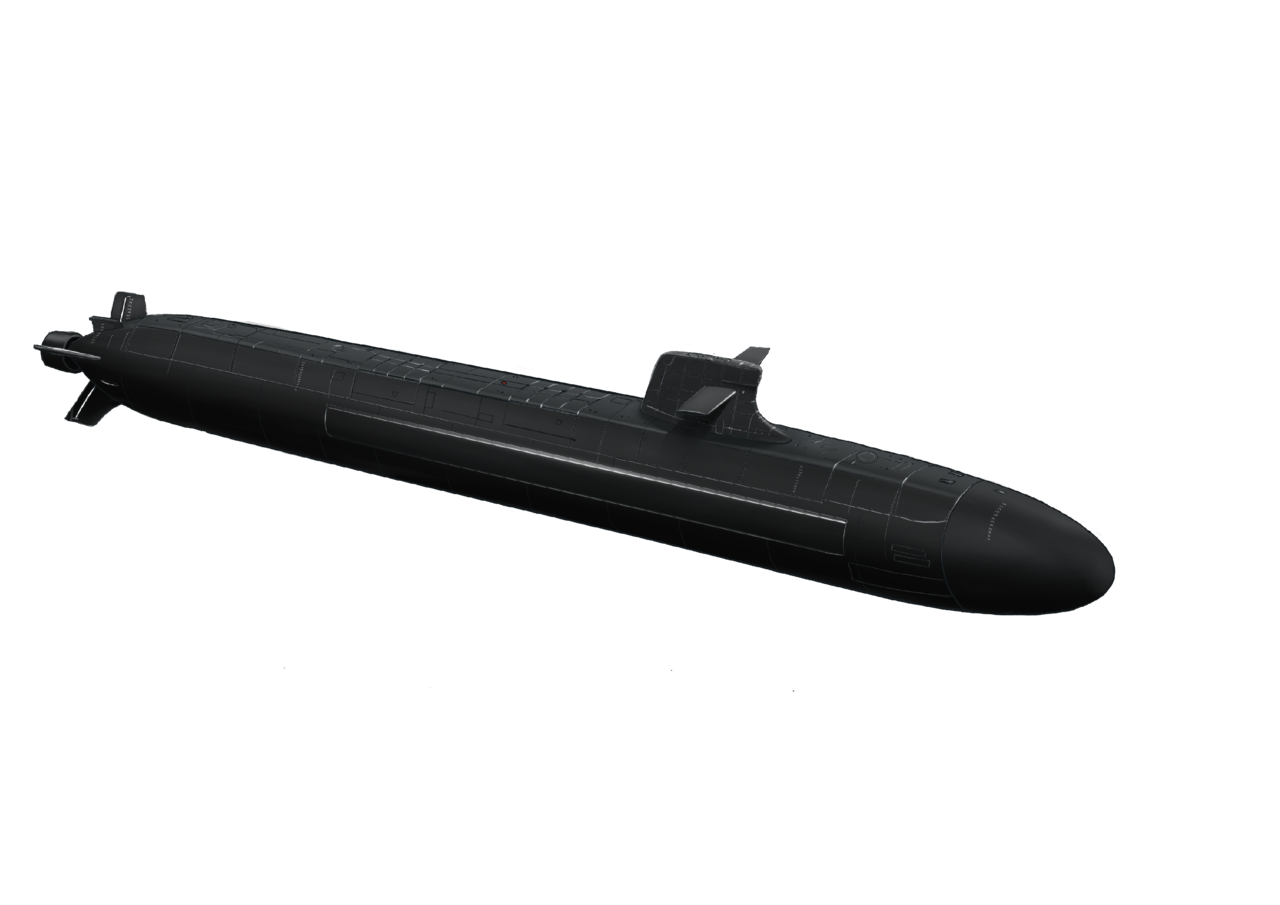
The Peculiar Absence of 'SNLE 3ème Génération' in California Fishing Guides
Anglers preparing for their next California fishing adventure often consult the comprehensive guides published by the California Department of Fish and Wildlife (CDFW). These essential documents, like the California Freshwater Sport Fishing Regulations and supplemental guides, are the definitive source for everything from catch limits and seasons to authorized gear and protected areas. Yet, if you've ever found yourself searching these crucial resources for information about SNLE 3ème Génération, you've likely come up empty-handed. This isn't an oversight or a missing page; it's a fundamental distinction in purpose.
The term "SNLE 3ème Génération" (Sous-marin Nucléaire Lanceur d'Engins de 3ème Génération) refers to a third-generation nuclear ballistic missile submarine, a highly specialized vessel integral to France's strategic defense capabilities. Its domain is the deep ocean, often far from coastal fishing grounds, and its mission is entirely unrelated to recreational angling. Therefore, its absence from California's fishing regulations is not just expected but entirely logical. This article explores why such a powerful piece of military hardware would never feature in your local fishing manual and helps guide you to the resources that truly matter for a successful and compliant fishing trip.
Decoding Fishing Regulations: What They *Do* Cover
To understand why SNLE 3ème Génération is irrelevant to fishing guides, it's vital to grasp the core mission of these regulations. California's fishing guidelines are meticulously crafted to serve several critical purposes, all centered around conservation, sustainability, and public safety within the state's diverse aquatic environments:
- Species-Specific Rules: They provide detailed information on various fish species, from trout in mountain streams to halibut in the Pacific, outlining minimum sizes, bag limits, and specific seasons to prevent overfishing and protect vulnerable populations.
- Gear Restrictions: Regulations specify what types of bait, lures, hooks, and fishing methods are permissible. This ensures fair chase, prevents undue harm to fish, and protects the ecosystem (e.g., prohibiting certain nets or toxic chemicals).
- Geographical Zones: California's vast and varied landscape means different rules apply to different areas. Whether you're in a designated Marine Protected Area (MPA), a specific lake, river, or ocean zone, the guides delineate boundaries and special conditions.
- Conservation Efforts: At their heart, these regulations are tools for managing fish populations and habitats. They reflect scientific research and ecological understanding, adapting over time to ensure that future generations can also enjoy California's rich fishing heritage.
- Public Safety and Access: While primarily ecological, regulations also touch upon safe boating practices, permitted access points, and avoiding interference with other water users.
Each rule and guideline in these documents is directly tied to the act of fishing, its environmental impact, and the angler's experience. Topics like defense infrastructure, international military assets, or even commercial shipping routes simply fall outside this scope. The detailed absence of SNLE 3ème Génération from California fishing regulations underscores this focused approach.
The Confluence of Keywords: Why Such a Search Might Occur
The digital age, with its vast interconnectedness of information, sometimes leads to unexpected search queries. While searching for SNLE 3ème Génération within the context of California fishing might seem unusual, several factors could contribute to such an occurrence:
- Mistyped or Misunderstood Queries: A user might inadvertently combine disparate keywords, leading search engines down an irrelevant path. A hurried search or a slight misunderstanding of a term could bridge two vastly different information silos.
- Data Glitches or Malformed PDFs: Our investigations into various California fishing documents, including raw PDF data, have shown that while such efforts aim for thoroughness, unreadable PDFs and structured data streams can sometimes obscure content. However, even with advanced parsing, no discernible content related to a French submarine could be extracted, reinforcing its actual absence rather than a mere formatting issue.
- Curiosity or Hypothetical Scenarios: Some users might be exploring the boundaries of information, wondering if any remote connection or regulatory overlap exists, even if highly improbable. Could a foreign vessel ever impact local waters in a way that requires mention? For military assets, such impacts are typically handled through international law and national defense protocols, not local fishing regulations.
- Educational Research: A student or researcher might be performing an exhaustive search across various governmental documents, and the term might have appeared in an unrelated dataset that coincidentally linked to "California" or "regulations," prompting a cross-reference.
It’s a testament to the specificity of government documentation that even when faced with broad search parameters, each regulatory body maintains its distinct domain. The CDFW is concerned with fish and wildlife, not naval defense.
Distinguishing Military Assets from Environmental Concerns
The distinction between military operations and environmental regulations is crucial. SNLE 3ème Génération submarines operate under strict international maritime law and sovereign defense protocols. Their movements and presence are governed by national security, not by the angling rules set forth by state wildlife agencies.
Consider the potential implications if such a vessel were mentioned in fishing guides:
- Jurisdictional Confusion: California's authority extends to its territorial waters and internal waterways for fishing purposes. Military vessels, especially those of foreign nations, operate under different, higher-level international agreements and national defense frameworks.
- Security Concerns: The operational details of strategic submarines are highly classified. Including them in publicly accessible recreational guides would pose significant security risks and is entirely out of scope for a state-level agency.
- Irrelevance to Angling: A submarine's passage, while it might occur in international waters accessible to some fishermen, does not directly dictate fishing seasons, bait choices, or catch limits. Any interactions would be managed by Coast Guard or naval authorities, not fishing wardens.
Instead, if you're interested in marine traffic or military activities, you would consult resources from the U.S. Coast Guard, the U.S. Navy, or international maritime organizations, which provide information relevant to shipping lanes, restricted zones, and naval exercises. These are distinct from the recreational fishing guidelines.
Ensuring a Smooth Fishing Experience: Where to Find Actual Relevant Information
For a truly rewarding and compliant fishing experience in California, focus your attention on the authoritative sources designed for anglers. Forget about nuclear submarines and instead dive into the wealth of information tailored to your passion:
- California Department of Fish and Wildlife (CDFW) Website: This is your primary online hub. The CDFW website provides up-to-date regulations, licensing information, fish planting schedules, conservation efforts, and news.
- Official Sport Fishing Regulation Booklets: Available online as PDFs and often in print at bait shops and license vendors, these booklets are comprehensive and legally binding. Always ensure you are consulting the most current version. Pay close attention to the annual regulations and any supplemental updates.
- eRegulations Platform: Many states, including California, use platforms like eRegulations to provide easily searchable, digital versions of their fishing laws. This can be more user-friendly than sifting through PDF documents.
- Local Bait and Tackle Shops: These local experts often have invaluable real-time information about local conditions, recent catches, and any specific nuances of the regulations in their area.
- Online Fishing Forums and Communities: While not official sources, these can be great for sharing tips, finding fishing buddies, and learning from experienced anglers. Always cross-reference any regulatory information with official CDFW sources.
By focusing on these reliable channels, you ensure that your fishing endeavors are not only enjoyable but also respectful of California's precious aquatic ecosystems and compliant with all applicable laws.
Conclusion
The search for "SNLE 3ème Génération" in California fishing guides is a journey that will always lead to an empty net. The purpose of these guides is singularly focused on the sustainable management of fish and wildlife for recreational enjoyment, a mission entirely distinct from naval strategy or defense. Understanding this fundamental separation allows anglers to efficiently access the information they truly need for a successful day on the water. So, next time you're planning a trip to a California lake or coastline, direct your search towards catch limits, protected species, and permitted gear, leaving the details of French nuclear submarines to their own, entirely separate, official channels.